
Inflammation. It’s a buzzword now, and for good reason. So, what exactly is going on here? Inflammation is basically the body’s way of fighting off threats like infections, injuries, and toxins. You tweak your ankle, or catch a bug, and boom! Your body gets busy sending a biological SOS that involves blood, proteins, and all sorts of other goodies racing to the scene.
But inflammation isn’t just one thing. There’s acute inflammation, which is the body’s quick response to short-lived issues. If you’ve ever had a sprained ankle puff up like a balloon, you’ve seen this in action. It’s nature’s way of fast-tracking healing.

Then there’s chronic inflammation, the more insidious kind. This sneaky one hangs around longer, often triggered by factors like bad diet, stress, or toxins. Long-term, it can play a role in developing major health concerns, including heart disease and arthritis. Just think of it as your body fighting shadowy threats that aren’t all there.
Why should we care? Well, understanding inflammation is like understanding the body’s internal weather system. If we know what’s causing the storm, we can take steps to calm it, preventing further damage and ensuring overall health.
And what kicks these storms into motion? Common triggers include stress, unhealthy diets, lack of sleep, sedentary lifestyles, and even pollution. Recognizing these can help us make choices that reduce the flare-ups and balance our body’s natural processes.
The Role of Diet in Inflammation Management
Food can be a game-changer in the fight against inflammation. Our diets wield immense power over our body’s inflammatory responses, influencing whether we’re in balance or constantly battling flare-ups.
Now, some foods are notorious for stoking inflammation. We’re talking about high-sugar delights, fried treats, and those infamous processed goodies. While they might look tempting, they can trigger those unwanted responses and steer us toward chronic issues.

On the flip side, adopting an anti-inflammatory diet can help in keeping things cool and collected inside. This often includes a hefty dose of fruits, vegetables, whole grains, lean proteins, and healthy fats. Think Mediterranean vibes with lots of olive oil, nuts, and fish.
Reshaping your diet might feel daunting, like climbing a mountain without a map, but making small tweaks can lead to significant changes. Swap out sugary snacks for a handful of nuts, replace refined grains with whole ones, or start the day with a smoothie packed with leafy greens.
Keeping things balanced is key. It’s not about giving up everything you love, but finding that sweet spot where you enjoy nourishing, delicious meals that work for your body, not against it.
Fish Oil: Harnessing the Power of Omega-3 Fatty Acids
Fish Oil’s been around the block in the health world, and if it isn’t already part of your diet, it might be time to think twice. It’s packed with Omega-3 fatty acids, which are like the superheroes of the inflammation-fighting world.
Omega-3s, especially EPA and DHA found in fish oil, are key players in reducing inflammation. These powerhouses can help keep those inflammatory markers in check, providing relief and support, especially in conditions like arthritis. It’s kind of like providing your body with soothing balm from within.
Backed by a ton of research, fish oil doesn’t just stop at fighting inflammation. It supports heart health, boosts brain function, and even aids in maintaining healthy skin. These benefits make it a versatile weapon in your health arsenal.
So how do you add fish oil to your diet? Eating fatty fish like salmon, mackerel, or sardines a couple of times a week is a great start. If fish isn’t your thing, there are high-quality supplements available that do the trick without leaving you smelling fishy.
Potent Anti-inflammatory Agents: Turmeric, Coenzyme Q10, and Garlic
Adding fish oil to your routine isn’t about diving headfirst into the ocean. It’s about small steps, like integrating these natural allies into your week in a way that feels good, tastes good, and does good.
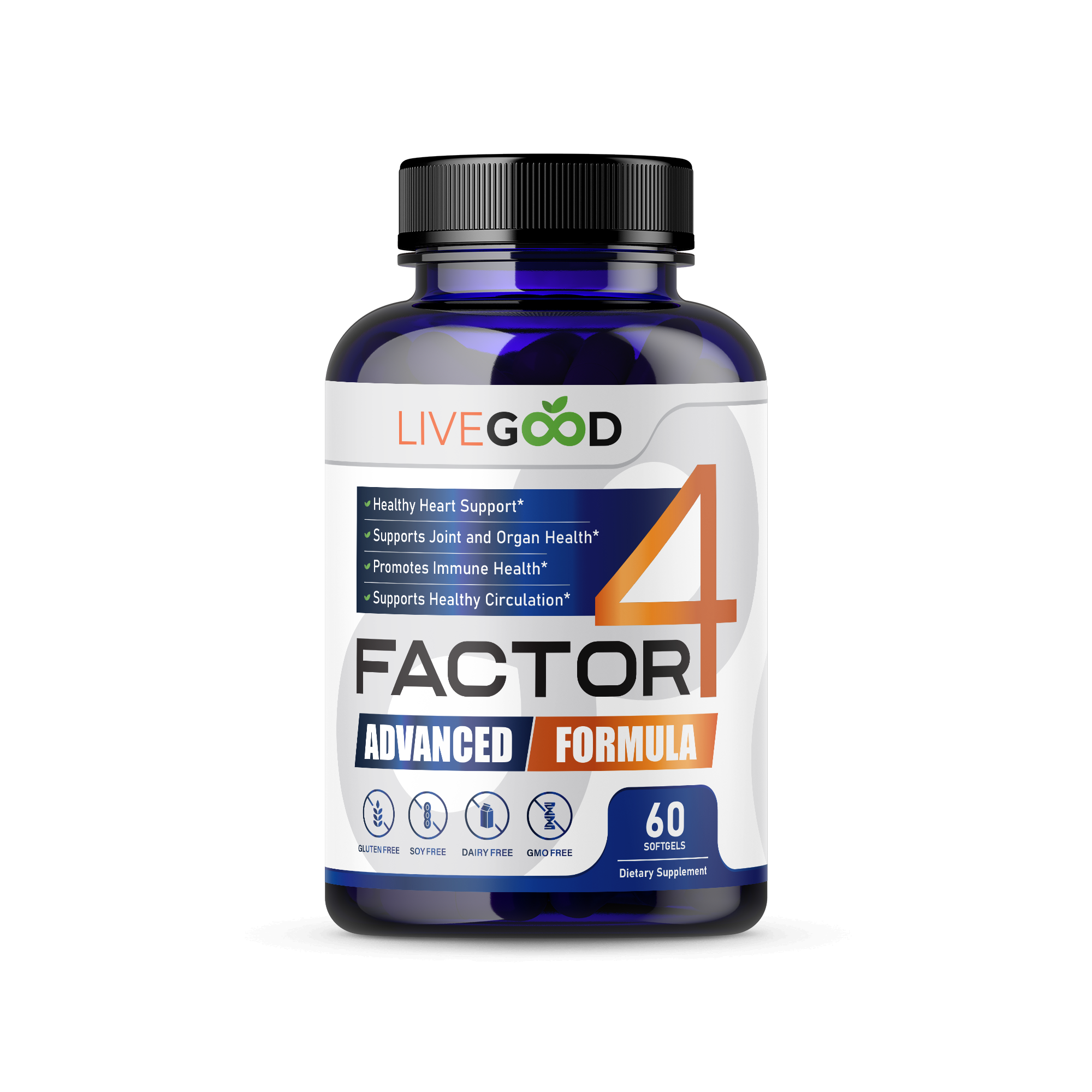
When it comes to fighting inflammation, nature has given us stars like turmeric, Coenzyme Q10, and garlic. These aren’t just pantry staples but powerful tools ready to support our health.
Turmeric’s got something special called curcumin. It’s the bright yellow pigment that doesn’t just add color to your plate. Curcumin’s where the magic happens, offering anti-inflammatory and antioxidant benefits. Studies back its role in easing symptoms of chronic inflammation, making it a favorite in both traditional cooking and modern supplements.
Then there’s Coenzyme Q10, a real multitasker. Known as CoQ10, this compound acts like fuel for your cells. It’s essential for energy production and also acts as an antioxidant, helping our bodies handle stress and control inflammation. Keeping CoQ10 levels topped up is crucial, especially as they tend to dwindle with age.
Now, let’s not sleep on garlic. Besides adding flavor to dishes, garlic comes loaded with sulfur compounds that play a role in lowering inflammation. It’s one of those food items where a little bit goes a long way in bringing health benefits, like supporting immune function and circulation.
Including these ingredients in your routine doesn’t mean overhauling your entire diet. Sprinkle turmeric on your roasted veggies, toss sliced garlic into stir-fries, or consider a CoQ10 supplement if diet alone doesn’t cover it. Small, consistent steps can make a big difference in keeping inflammation in check.
Strategies to Control and Reverse Inflammation Naturally
Controlling inflammation isn’t about quick fixes. It involves blending intelligent lifestyle choices with top-notch natural aids. Addressing inflammation calls for a holistic approach, where diet meets lifestyle head-on.
Regular exercise is a cornerstone for reducing inflammation. Whether you’re hitting the gym, cycling through scenic paths, or taking brisk walks, you’re helping your body metabolize food better, elevate mood, and reduce inflammation markers. Movement is medicine you can’t buy in a bottle.

Sleeping well is another unsung hero in this battle. Lack of sleep ramps up stress hormones, directly impacting inflammation. Establishing a routine of consistent shut-eye hours and creating a peaceful sleep environment helps reset your body’s clock and keeps inflammation down.
Of course, managing stress plays a crucial role. High stress means higher inflammation, so finding ways to unwind like yoga, meditation, or even gardening can be lifesavers. Keeping your mind calm helps keep your body calm too.
Natural supplements fill gaps where diet alone might fall short. Alongside Fish Oil, Turmeric, CoQ10, and Garlic, consider incorporating others like ginger or green tea, known for their anti-inflammatory properties, into your diet. These simple tweaks can add significant anti-inflammatory strength.
Embracing an integrated lifestyle with a balance of diet, exercise, sleep, and stress management stands as the ultimate defense in not just controlling, but potentially reversing inflammation. By understanding and applying these elements, you’re setting the stage for a healthier future.
Because Every Disease Starts with Inflammation.